Unlocking Environmental Sustainability: The Shared Spaces Revolution
In an era shaped by environmental consciousness, businesses are embracing innovative solutions to reduce their carbon footprint. A standout contender in this sustainability journey is the concept of shared spaces. These collaborative environments are not just transforming the way we work but are also emerging as powerful contributors to the reduction of carbon emissions.
This blog delves into the pivotal role shared spaces play in environmental sustainability, showcasing real-world success stories and envisioning a greener future.
Environmental Benefits of Shared Spaces
Built on the principle of resource-sharing, shared spaces inherently lessen environmental impact. By consolidating professionals and businesses into a single location, these spaces promote the efficient use of resources, cutting down on energy consumption and greenhouse gas emissions. Beyond this, shared spaces are actively adopting eco-friendly practices such as energy-efficient lighting, water- saving technologies, waste reduction, and recycling programs. They’re also championing sustainable transportation options for their members.
Success Stories
Real-world success stories highlight businesses thriving in shared spaces while making significant strides in reducing their carbon footprint. Take Company X, a tech start-up, for example. By utilizing a shared space with energy-efficient features, Company X not only reduced energy costs but also substantially curtailed its carbon emissions. Collaborative initiatives within shared spaces, like collective purchases of eco-friendly office supplies and the promotion of sustainable commuting options, exemplify the positive outcomes derived from a shared commitment to sustainability.
Future Sustainability
The future of shared spaces promises even greater sustainability. Focused on environmental conservation, these spaces will evolve with technological and design innovations. Smart building systems optimizing energy consumption and eco-conscious architecture will become standard. The integration of renewable energy sources, such as solar and wind power, will further diminish the carbon footprint of shared spaces. Collaborations with local sustainable initiatives will enhance their green practices, fostering a sense of community and environmental responsibility among members.
Conclusion
Shared spaces have proven their potential to significantly reduce carbon emissions and champion sustainability. By encouraging resource-sharing and implementing eco-friendly measures, they exemplify how businesses can positively impact the environment. Looking forward, the role of shared spaces in environmental sustainability is poised to expand. Businesses eyeing shared spaces can embrace them not just for cost-efficiency but for the substantial environmental benefits they bring. Beyond being mere offices, shared spaces are hubs of sustainability, paving the way for a greener and more promising future.

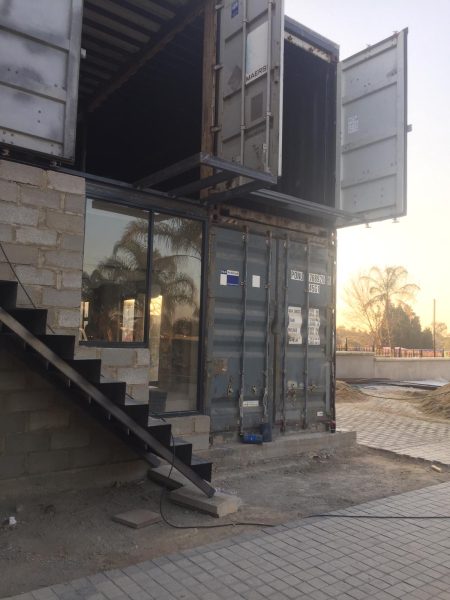
Discover a world of possibilities at UNCONTAIND Business Park, Johannesburg’s premier Business and Retail Park in the Northern Suburbs. We’ve redefined the future of workspace and entrepreneurship by embracing eco-sustainability and empowering African creativity.
quick links
Contact info
- 267 Market Street, Northriding
- +27 10 030 0080
- admin@uncontaind.co.za
Join Our newsLetter
Sign up for our newsletter to enjoy free office tips, inspirations, and more.